Choosing between DeWalt and Makita is one of the most common debates in the trades. Both brands have earned their place on Irish building sites over decades, both sit firmly in the professional tier, and both have genuinely loyal followings among carpenters, plumbers, electricians and general contractors. Ask ten tradespeople and you will get ten different opinions.
The real decision, though, is not simply which brand makes better tools. It is which platform you are going to build your kit around, because once you have invested in batteries and chargers, switching costs money. This guide cuts through the brand loyalty and looks at what actually matters for day-to-day trade use in Ireland: performance by tool type, battery systems, accessories availability, pricing and warranty. Whether you are building a kit from scratch or adding to what you already own, here is what you need to know.
Brand backgrounds: who makes what
DeWalt is an American brand founded in 1924, now owned by Stanley Black and Decker. Its reputation has been built on jobsite toughness, high torque output and durability in heavy construction environments. DeWalt tools are designed to take a beating and keep working.
Makita is a Japanese brand founded in 1915 and is one of the oldest power tool manufacturers in the world. Its reputation rests on precision engineering, excellent ergonomics, lighter tool weights, and the largest cordless tool ecosystem available on a single battery platform. Makita tools are a particular favourite among carpenters and joiners who use tools for extended periods throughout the day.
Neither brand is a budget option. Both compete at the professional tier, which means like-for-like comparisons are genuinely close. The differences that do exist tend to come down to priorities rather than quality.
The battery ecosystem: the most important decision you will make
Before comparing individual tools, this point needs to be made clearly: when you choose DeWalt or Makita, you are not just choosing a drill or a saw. You are choosing a battery platform, and every subsequent tool purchase will flow from that choice.
A starter kit with two batteries and a charger costs in the region of €150 to €250. Once you have three, four or five batteries, switching brands means either taking a significant loss or running two parallel ecosystems. This is the decision that matters most, and it is worth getting right from the start.
DeWalt: 18V/20V Max and FlexVolt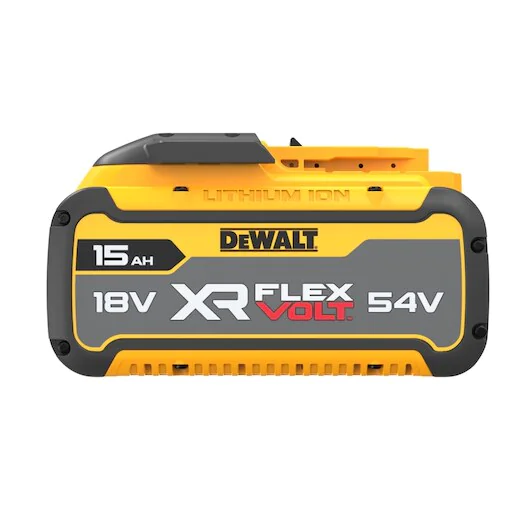
DeWalt's main cordless platform is marketed as 20V Max in some markets, but the tools sold in Ireland and across the EU are rated at 18V. The 20V figure is the peak open-circuit voltage of the battery rather than the nominal operating voltage, which is 18V. The tools themselves are identical. This is a common point of confusion for Irish buyers and is worth understanding before you purchase.
DeWalt's FlexVolt system takes a different approach. FlexVolt batteries automatically switch between 18V and 54V depending on the tool they are inserted into, meaning one battery platform can power both standard cordless tools and high-demand equipment such as large circular saws, mitre saws and SDS Max rotary hammers. If your work involves a mix of light and heavy-duty tools, FlexVolt offers genuine flexibility.
Makita: 18V LXT and 40V XGT
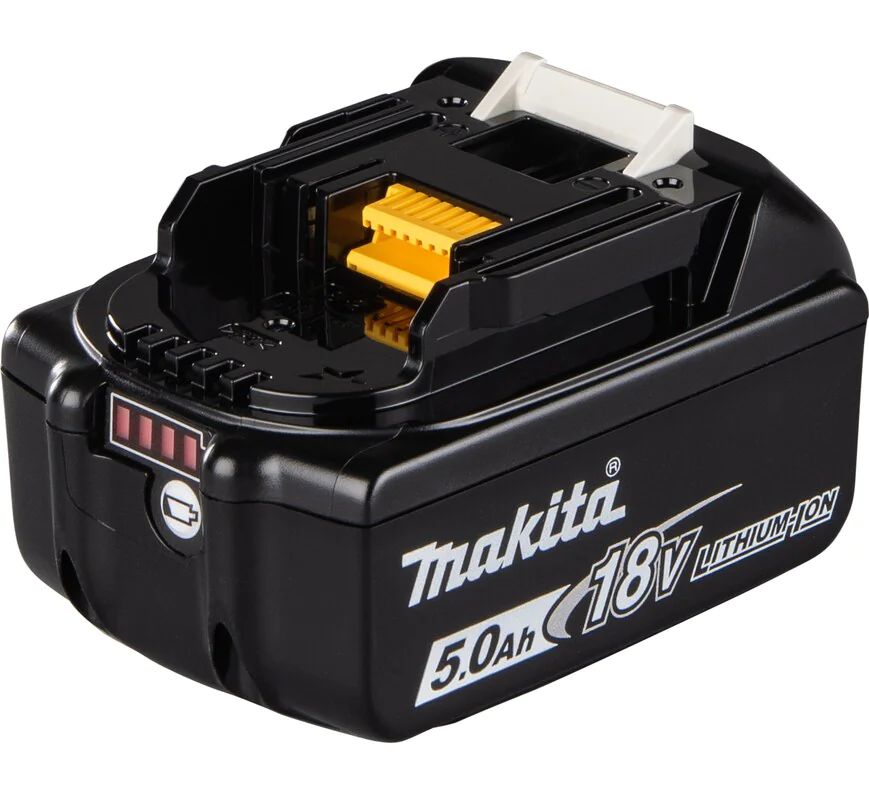
Makita's 18V LXT platform is the largest cordless tool ecosystem in the world, with over 325 compatible tools. If there is a cordless version of a tool you need, Makita almost certainly makes one that runs on the same battery. This breadth of compatibility is a major advantage for tradespeople who want to standardise their whole kit on a single platform.
Makita's newer 40V XGT platform delivers higher power output for demanding applications, but the batteries are not backward compatible with 18V LXT tools. XGT is a separate investment, suited to those who need cordless power that rivals petrol or corded equipment.
On charging speed, Makita has a clear advantage at the 18V level. Their Rapid Optimum Charger brings an 18V battery from empty to full in approximately 45 minutes, which matters when you are managing battery rotation on a busy site.
DeWalt vs Makita drills and hammer drills
The drill is the first tool most tradespeople buy and the one that typically determines which ecosystem they build around.
McMahons stocks a strong DeWalt drill range including the DeWalt 18V Combi and Impact Drill Twin Pack, which includes the DCD709 brushless compact hammer drill driver and the DCF809 brushless compact impact driver along with two 3.0Ah batteries and a charger. This is an excellent starting point for anyone setting up a cordless DeWalt kit. For heavy masonry and concrete work, the DeWalt D25133K SDS Hammer Drill (240V) and D25133KL (110V) are both stocked at McMahons, capable of drilling anchor and fixing holes in concrete and masonry up to 26mm with three operating modes.
In performance terms, DeWalt drills tend to produce higher peak torque figures, which makes them a natural choice for heavy masonry, concrete anchor work and demanding fastening applications. Makita combi drills are typically lighter and more compact, which is valued by carpenters and joiners who use a drill continuously through a working day. Makita's shorter body length is particularly useful in tight spaces.
For drill accessories, McMahons stocks Makita's full SDS Plus and masonry bit range, including the Makita SDS Plus drill bit 12mm and Makita masonry drill bit 6mm, alongside a wider range available through the drill bits category.
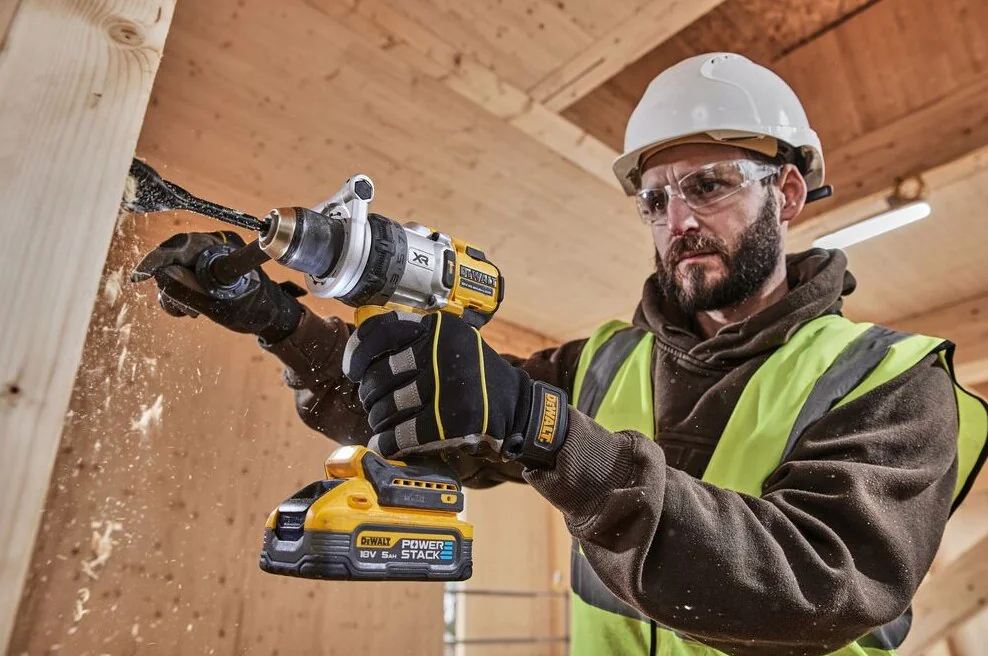
Verdict: For heavy concrete and masonry work, DeWalt has the edge on power. For all-day carpentry, joinery and finishing, Makita's lighter build reduces fatigue significantly.
DeWalt vs Makita circular saws
Both brands produce strong circular saw ranges suited to site timber work, first-fix framing and sheet material cutting.
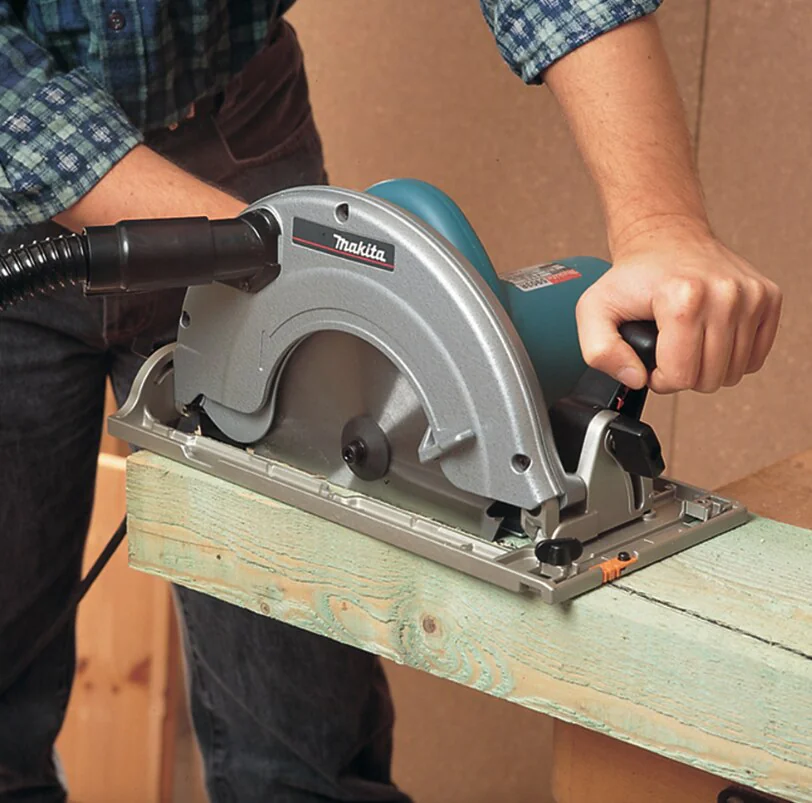
DeWalt circular saws are known for high RPM and fast cutting, while Makita circular saws are associated with smoother operation and cleaner edges, particularly in hardwood and finish carpentry applications. For Irish timber frame contractors, Makita's anti-vibration design is a notable advantage over long cutting sessions.
McMahons stocks a comprehensive range of Makita TCT circular saw blades that fit both Makita saws and other compatible brands, including the Makita TCT blade 185mm x 30mm and the Makita 260mm TCT makblade plus, which features patented vibration-dampening technology for quieter, longer-lasting cuts. The full blades range is available through the blades category.
One practical point: Makita saw blades use a 30mm bore, which fits most mid-range and professional circular saws across brands. If you own a different brand of saw, checking bore compatibility means you can take advantage of Makita's blade quality regardless.
DeWalt vs Makita jigsaws
Jigsaws are a staple for carpenters, kitchen fitters, plumbers and electricians making curved or complex cuts in timber, board and pipe.
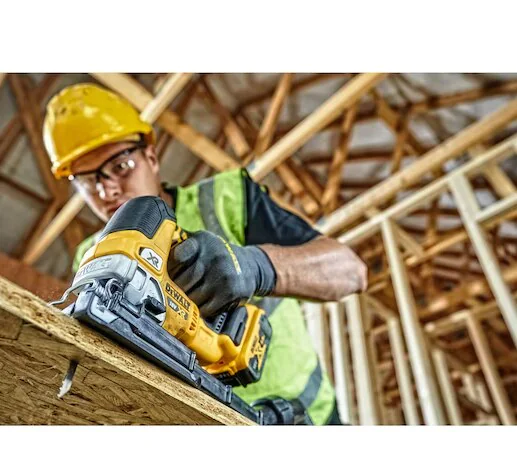
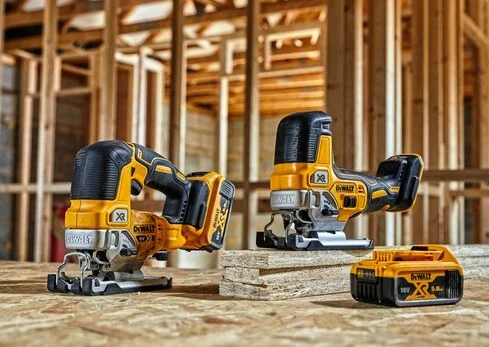
DeWalt jigsaws are built for durability and handle tougher materials well, with solid blade-change systems suited to site conditions. Makita jigsaws are preferred by finish carpenters for cleaner cuts and better vibration control, particularly when working with hardwood and laminate. Both brands use standard T-shank blades, which means blades are interchangeable across most modern jigsaws regardless of brand.
McMahons stocks jigsaws through the jigsaws category, and the blades category includes Makita reciprocating saw blades such as the 150mm 18 TPI blade, suitable for metal cutting and multi-material work.
DeWalt vs Makita mitre saws
Mitre saws are essential for carpenters, joiners, second-fix and door-fitting trades. This is one of the most compared categories between the two brands.
DeWalt's flagship sliding compound mitre saw, the DWS780, is widely regarded as one of the best on the market, featuring its XPS cross-cut positioning system for shadow-line cutting accuracy. Makita's LS range competes closely and offers AWS wireless dust extraction compatibility as a standout feature for workshop and indoor use.
McMahons stocks the DeWalt DE7023 universal mitre saw stand, which is compatible with DeWalt and most competitor mitre saws, making it a useful addition regardless of brand. The stand features quick-release retractable legs and a shoulder carry strap for site transport. For mitre saw blades, the Makita 260mm TCT makblade plus is specifically designed for use in mitre and table saws, with vibration-damping technology that noticeably improves cut quality and reduces noise. View the mitre saws category for the full range.
Accessories and consumables
One of the most practical advantages of buying tools and accessories from a builders merchant rather than a tool specialist is that the consumables (the bits, blades and screw bits that wear out) are available in branch alongside everything else on your material order.
McMahons stocks accessories and consumables for both brands across 11 branches nationwide and online:
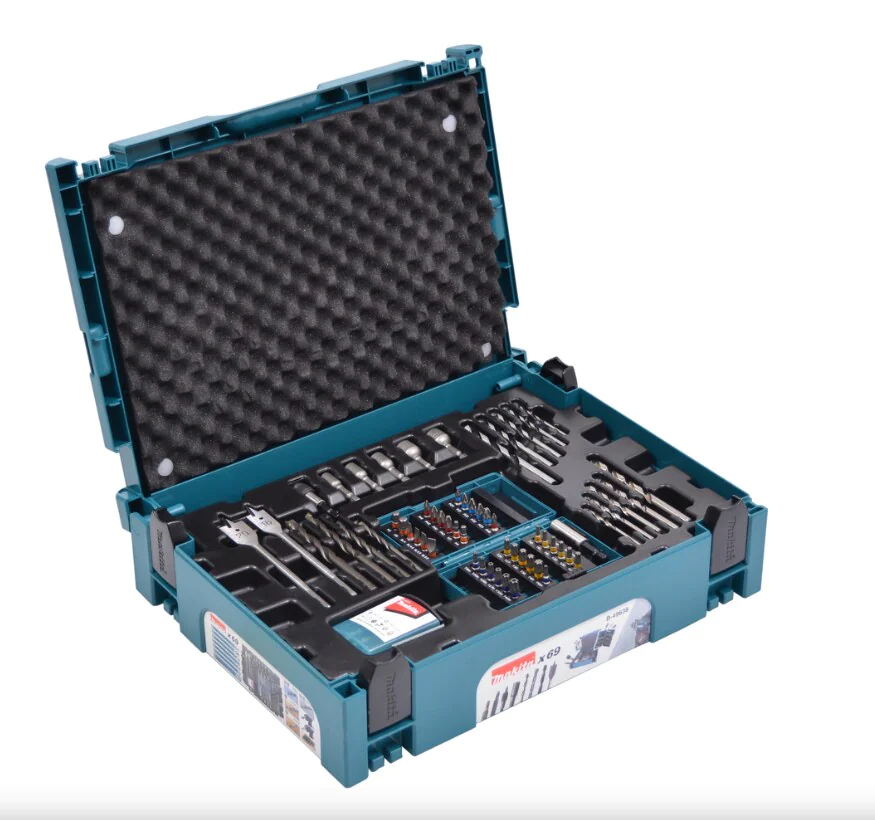
Makita accessories at McMahons:
DeWalt tools and accessories at McMahons:
The broader power tools and power tool accessories ranges are available online and in all branches. Whichever brand you work with on site, the consumables and accessories to keep you working are available at McMahons.
Price, warranty and value
At the professional tier, DeWalt and Makita are broadly similar in price. Like-for-like comparisons on drills, circular saws and impact drivers typically show little meaningful difference.
Both brands offer a 3-year warranty on cordless tools when registered. DeWalt adds a 90-day money-back guarantee and a 1-year free service agreement on most tools, which is a genuine differentiator for trade buyers.
On batteries, both brands offer a range from 2.0Ah to 6.0Ah on their main 18V platforms. One important note: counterfeit and grey-market batteries for both brands are widely sold online at significant discounts. Non-genuine batteries can damage tool motors, run hot, and void the manufacturer warranty. Buying batteries through authorised stockists such as McMahons ensures you are getting genuine products. Trade account holders at McMahons access trade pricing across the full range. Apply for a Trade Credit Account here.
Which brand should you choose?
Rather than naming a single winner, the honest answer depends on what you are using the tools for.
Choose DeWalt if:
- Your primary work involves heavy masonry, concrete drilling or demolition
- You want maximum torque and raw power output
- You value the extended service agreement and money-back guarantee
- You are already invested in the DeWalt 18V or FlexVolt ecosystem
- You need a dual-voltage platform that covers both light and heavy-duty cordless tools
Choose Makita if:
- You work primarily in carpentry, joinery, second-fix or finishing
- You use tools continuously throughout the day and weight and ergonomics matter
- You want access to the largest single-battery cordless tool ecosystem available
- Fast charging on site is important to your workflow
- You need the widest possible range of compatible tools on one battery platform
If you are starting from scratch, settle on your primary use case first, then buy the starter kit that suits it. Committing to one platform from day one will save you money over time. If you already own tools from one brand, McMahons stocks accessories and consumables for both, so your existing kit stays productive regardless of which direction you go next.
Frequently asked questions
Is DeWalt or Makita better for tradespeople?
Neither brand is objectively better across all trades. DeWalt is favoured for heavy construction, masonry and high-torque applications. Makita is the preferred choice among carpenters, joiners and finish trades where lighter tools and ergonomics matter more than peak power. Both are professional-grade and both are widely used on Irish building sites.
Is DeWalt 20V the same as 18V?
Yes. DeWalt tools sold in Ireland operate at 18V nominal. The 20V Max label used in some markets refers to the peak open-circuit voltage of the battery, not the working voltage. The tools are identical to their 18V counterparts, and no additional power is available from the 20V labelling. This is a marketing convention rather than a technical distinction.
Are DeWalt and Makita batteries interchangeable?
No. DeWalt and Makita use different battery formats and are not compatible with each other. Within each brand, batteries are generally compatible across the same voltage platform, so an 18V Makita battery will work across the LXT range, and a DeWalt 18V/20V Max battery will work across the DeWalt cordless range.
Which brand has more tools on one battery platform?
Makita. The Makita 18V LXT platform supports over 325 compatible tools, making it the largest single-battery cordless ecosystem in the world. DeWalt's 20V Max platform has over 200 compatible tools.
Can I use Makita blades on a DeWalt saw?
In many cases, yes, subject to bore size compatibility. Makita TCT circular saw blades use a 30mm bore. If your DeWalt saw also has a 30mm bore, Makita blades will fit. Always check the bore size and blade diameter of your specific saw before purchasing.
Where can I buy DeWalt and Makita tools and accessories in Ireland?
McMahons stocks both brands across 11 branches nationwide in Limerick, Cork, Carrigaline, Fermoy, Tralee, Dunmanway, Waterford, Galway, Portarlington, Dublin (Cherry Orchard) and Longford, as well as online with delivery and click and collect. Browse the full power tools range and power tool accessories.
Does DeWalt have a better warranty than Makita?
Both offer 3 years on cordless tools when registered. DeWalt adds a 90-day money-back guarantee and a 1-year free service agreement, which gives it a slight edge on aftercare. Makita's warranty terms are competitive but do not include the service agreement.
