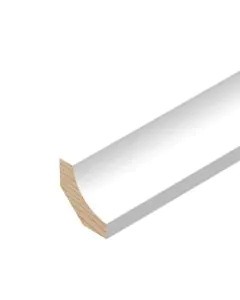
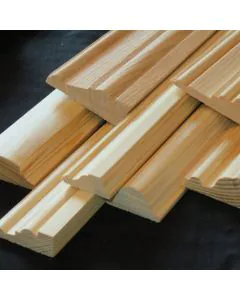
Interior timber mouldings bring the finishing touches that transform any room from functional to refined. From crisp skirting boards that create clean transitions between walls and floors to elegant architraves framing doors and windows, these decorative profiles add character and craftsmanship to residential and commercial interiors alike. Our range of timber mouldings and skirting offers styles to complement everything from period properties to contemporary new builds.
Our Interior Moulding Collection
We stock a comprehensive selection of moulding profiles to suit traditional and modern design schemes:
- Oak quadrant and scotia beading: white oak quadrant and oak scotia for neat internal corner transitions between flooring and walls or skirting.
- Oak D-shape and half-round mouldings: decorative oak profiles for edge finishing, banding, and adding fine detail to furniture and joinery projects.
- Barrel arch mouldings: Ayous timber barrel arch profiles for creating curved door and window surround details in traditional and contemporary interior settings.
- Window boards: interior sill boards in MDF and solid timber options, available in various depths and thicknesses to suit different wall constructions and window frame profiles.
- Available in paintable and natural finishes: mouldings can be painted, stained, or varnished to match any décor scheme, with pre-primed options available to reduce on-site preparation time.
For larger interior projects requiring structural timber alongside decorative elements, browse our full Timber & Sheet Material range.
Selecting the right moulding depends on your room's style and proportions. Taller skirting boards suit high-ceilinged Victorian or Edwardian spaces, while slimmer, square-edged profiles work well in modern interiors. Consider matching architrave and skirting profiles throughout for a cohesive look, and factor in whether you need primed, unfinished, or pre-painted options based on your decorating schedule.
Why Choose McMahons for Your Mouldings?
With nearly two centuries of experience supplying Irish builders and homeowners, McMahons understands what quality interior joinery demands. Our branch teams can advise on profile matching, timber grades, and quantities for your project: whether you're fitting out a single room or an entire development. Ready to complete your interior finish? View our delivery options to get your mouldings on site when you need them.
Frequently Asked Questions
1. What are interior timber mouldings?
Interior timber mouldings are decorative and functional trims used to finish and enhance the edges of walls, floors, doors, and ceilings. They add detail, protect surfaces, and create a polished look.
2. What types of mouldings are available?
Common types include skirting boards (protect walls at floor level), architraves (frame doors and windows), dado rails (add mid-wall detail), and decorative trims (provide stylish finishing touches).
3. Why should I use timber mouldings?
They improve the appearance of interiors, hide gaps or uneven edges, and protect surfaces from everyday wear and tear. Timber mouldings also allow you to add character and style to a room.
4. Can mouldings be painted or stained?
Yes. Timber mouldings can be painted, stained, or varnished to match your décor. Many come pre-primed for easy finishing.
5. Are mouldings easy to install?
Most mouldings are straightforward to fit with basic tools. They can be cut to size, fixed with adhesive or nails, and finished with paint or stain.
6. What timber is used for mouldings?
Interior mouldings are typically made from softwoods like pine or hardwoods such as oak and ash, depending on the desired finish and durability.
7. Do mouldings only suit traditional interiors?
Not at all. While mouldings are often associated with classic styles, modern profiles and finishes make them equally suitable for contemporary spaces.
8. How do I choose the right moulding profile?
Consider the style of your room. Simple, clean profiles suit modern interiors, while ornate designs complement traditional or period homes.